

Uxbridge rubbish removal guide for Brunel University
Posted on 27/07/2026
If you are sorting out student accommodation, moving between terms, or clearing a room after a busy year, this Uxbridge rubbish removal guide for Brunel University is for you. The job often looks simple at first, then suddenly it isn't: broken furniture, boxes of course notes, packaging, food waste, old kitchen bits, and that one chair everyone swore would "come in handy" someday. Truth be told, student clear-outs can get messy very quickly.
This guide explains how rubbish removal in Uxbridge works around Brunel University, what to do before collection day, how to stay tidy and compliant, and which disposal options make the most sense for different situations. It is written to help students, landlords, parents, flat-sharers, and anyone managing a property turnover nearby. You will also find practical checks, a comparison table, and a realistic example from a common end-of-term clear-out.
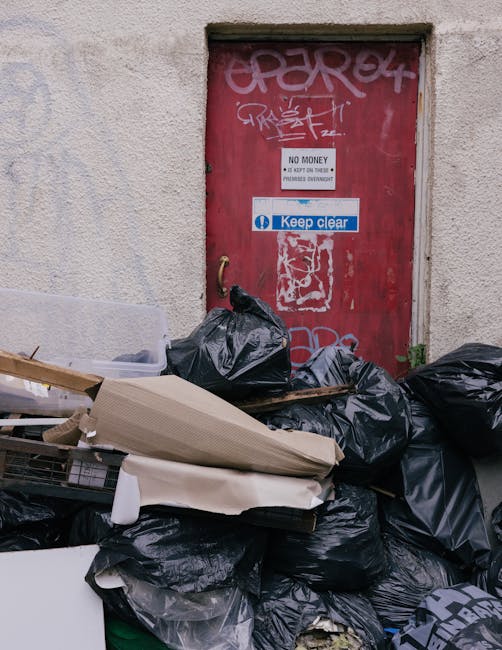
Why Uxbridge rubbish removal guide for Brunel University Matters
Brunel University brings a steady flow of people moving in, moving out, and rearranging their lives in a fairly tight local area. That means rubbish piles up fast. It is not just about making a room look decent again. It is about keeping hallways clear, avoiding fly-tipping, protecting shared spaces, and leaving a property ready for the next person.
In student accommodation, waste has a habit of turning into a shared problem. One person leaves a sofa in the corridor, another puts bags by the bin store, and soon the whole place looks neglected. If you have ever seen a bin area after a last-week-of-term rush, you know the scene: cardboard, take-away containers, lopsided black bags, and a few items nobody seems to own. Not ideal.
A good rubbish removal plan matters because it saves time, reduces stress, and helps you handle disposal properly instead of relying on guesswork. It also matters financially. The wrong choice can mean multiple trips, parking headaches, or paying for a collection that is too small for the actual job. For students in particular, speed and simplicity usually win.
For readers who want broader local context as well, this guide sits neatly alongside a local look at Uxbridge and advice from residents considering the area. Understanding the place helps you make better decisions about timing, access, and disposal logistics.
How Uxbridge rubbish removal guide for Brunel University Works
At a practical level, rubbish removal is usually a straightforward process: you identify the waste, sort anything that needs special handling, choose a collection method, and arrange for the items to be removed. Simple on paper. In real life, the details matter.
Near Brunel University, rubbish removal often falls into one of these scenarios:
- Student move-out clearances after the academic year ends
- Room refreshes where old bedding, broken chairs, and packaging need to go
- Shared house clear-outs when multiple tenants leave at once
- Landlord or letting-agent turnovers between occupancies
- Storage clean-outs after months of things being "put aside for later"
The process usually starts with a rough estimate of volume. Is it a couple of bags, a small load, or enough for furniture disposal? Then comes sorting. Reusable items, electrical items, furniture, green waste from outside areas, and general rubbish all need different thinking. That is where people often slip up. They treat everything as one category, then get stuck halfway through.
If the waste includes bulky items such as wardrobes, desks, mattresses, or sofas, it may make more sense to use a specialist collection rather than trying to drag things to a car park and hope for the best. For bigger jobs, you might compare a general waste clearance service in Uxbridge with more specific support like furniture disposal in Uxbridge or rubbish collection in Uxbridge.
One sensible rule: if you are not sure whether the pile can be handled in one go, assume it will take more than you think. That is not pessimism. That is experience speaking.
Key Benefits and Practical Advantages
The biggest advantage of organised rubbish removal is not glamour. It is relief. Once the clutter is gone, rooms feel bigger, cleaner, and less chaotic. And around a university, that changes everything. You can hand back keys on time, avoid complaints, and get on with moving, revising, or enjoying the fact that you are no longer wrestling a bed frame down the stairs.
1. Faster room turnover
Clear-outs around Brunel University often happen under time pressure. If you have exams, travel plans, or move-out deadlines, a fast collection keeps the process manageable. No endless "I'll deal with it tomorrow" loop.
2. Less strain on shared living spaces
Shared properties near campus can become clutter hotspots. A proper removal plan keeps corridors, kitchens, and bin areas usable. That matters for neighbours too. Nobody wants to live next to a weekend mountain of boxes and broken shelving.
3. Better sorting and less waste
When items are separated properly, reusable and recyclable materials are easier to handle. That is better for the environment and usually cleaner from a practical point of view. If sustainability matters to you, it is worth looking at the company's general approach to recycling and sustainability.
4. Reduced risk of accidental non-compliance
Some waste is straightforward; some is not. Electricals, paints, damaged appliances, and mixed loads can require more care. A good removal plan helps you avoid dumping something in the wrong place because you were in a rush.
5. Less admin and fewer trips
Let's face it, nobody moves to Uxbridge dreaming of spending a Saturday morning making repeated disposal runs. A single well-timed collection is often easier than hiring a van, finding parking, loading heavy items, and trying to remember which bag contains what.
Who This Is For and When It Makes Sense
This guide is especially useful if you are in or around Brunel University and any of the following sounds familiar:
- You are moving out of halls or private accommodation
- You are a student clearing a room at the end of term
- You share a house and everyone is leaving at different times
- You are a landlord preparing for new tenants
- You manage a rented property near campus
- You have bulky furniture you cannot easily transport
- You need a quick, tidy clearance before inspections or photos
It also makes sense if you are doing a wider reset. Maybe the room has turned into a storage space for months. Maybe the loft is full of random things from three academic years ago. In that case, a dedicated loft clearance in Uxbridge or house clearance in Uxbridge may be more appropriate than a basic bin run.
There is also a good overlap with offices, small student offices, and local workspaces. If your space is more work-like than home-like, office clearance in Uxbridge may be the better fit.
Step-by-Step Guidance
Here is a practical way to handle rubbish removal without turning it into a weekend drama.
Step 1: Identify what you actually have
Walk through the room or property and make a proper list. Separate the waste into rough categories:
- General rubbish
- Cardboard and packaging
- Furniture
- Electrical items
- Bedding and soft furnishings
- Outdoor or garden waste
- Anything broken, sharp, or potentially hazardous
Be honest here. Half-sorting is a classic mistake. A box of "miscellaneous stuff" always seems harmless until it is suddenly six boxes.
Step 2: Decide what can be reused or donated
Before arranging disposal, check whether anything is still usable. A desk, lamp, or shelf might be better reused than thrown away. Even small things matter. I have seen perfectly decent chairs get binned simply because the owner was in a rush. That is avoidable.
Step 3: Choose the right disposal route
For a few bags, a simple collection may be enough. For bulkier items, a wider waste clearance option is usually more efficient. If you mainly have mixed household items, compare rubbish collection and waste clearance. If the job is mostly one category, such as old furniture, a more focused service is often neater.
Step 4: Prepare access
This is the part people forget. Can someone park nearby? Are there stairs? Is the waste in a loft, basement, or upstairs room? The easier the access, the smoother the job. If you live in a student flat with tight corridors, it helps to clear a route first. Nothing fancy. Just enough space to move without scraping walls.
Step 5: Keep paperwork and rules in mind
If you are dealing with a managed property, there may be house rules about collection times, bin storage, or access. Keep the landlord or managing agent informed where needed. It saves awkward messages later, and sometimes a very grumpy neighbour too.
Step 6: Book, confirm, and keep the area ready
Once the collection is arranged, make sure bags are closed, items are grouped logically, and pathways are clear. If possible, finish the final sort the night before. Early morning collections are easier when you have not yet reached full "move-out brain" mode.
Expert Tips for Better Results
A few small choices can make rubbish removal much easier, especially in a university setting where time and space are both limited.
- Start with the biggest items first. Once furniture is gone, everything else feels easier.
- Flatten cardboard. It reduces bulk and gives you a more accurate idea of how much is left.
- Keep recyclables separate where possible. Clean cardboard, tins, and certain plastics are easier to handle when sorted.
- Don't mix food waste into clean loads. Smelly bags make the whole job worse than it needs to be.
- Photograph the pile before collection. It helps with planning and avoids "I thought it was smaller" surprises.
- Use bags that can actually hold weight. Overfilled bags split at the worst possible moment. Usually on stairs. Naturally.
Another good habit is to think in zones. Desk area, wardrobe area, kitchen area, loft or storage area. Sort one zone at a time and do not bounce around. That small bit of discipline keeps the room from becoming a half-finished battlefield.
If you are planning ahead for end-of-term moves or shared property changes, reading about the wider range of services available can help you match the right solution to the job rather than picking the first thing that sounds convenient.

Common Mistakes to Avoid
Most rubbish removal mistakes are not dramatic. They are just annoying, expensive, or time-consuming. The good news is that they are easy to avoid once you know what to watch for.
Underestimating the volume
A room with "just a few things left" often turns into a full load once you start lifting and stacking. This happens all the time. A mattress, two chairs, a broken fan, a couple of bags, and suddenly the van space is gone.
Leaving it until the final day
Move-out deadlines are unforgiving. If you leave waste sorting until the last afternoon, you lose options. You also lose patience. Not a great combination.
Mixing general waste with specialist items
Put all waste in one heap and you create more work later. Separate anything unusual early. That includes electronics, bulky furniture, and items that need special care.
Forgetting access problems
No one enjoys discovering, on the day, that the lift is tiny, parking is awkward, or the pile is on the second floor. Check access before collection is booked. It sounds obvious. It still gets missed.
Assuming every item can go the same way
A blanket approach rarely works well. A smarter plan is to distinguish between general rubbish, recyclable material, furniture, and anything potentially hazardous. Small distinction, big difference.
Tools, Resources and Recommendations
You do not need a full kit to manage a student clear-out, but a few simple tools help a lot.
- Strong bin bags for light and medium waste
- Gloves for dusty lofts, shared bins, or awkward old items
- Marker pens and labels to sort keep, donate, recycle, and remove piles
- Flattening tools like a box cutter for cardboard, used carefully
- Phone camera for recording what needs to go and what has been booked
- Cleaning cloths for a quick sweep after the waste is out
For many people, the most helpful "resource" is simply a good plan. That sounds a bit dull, I know, but it works. If you want an overview of what can be handled in different ways, the page on services overview is a sensible place to start.
If you are comparing approaches and care about value, pricing and quotes is worth reading so you understand how estimates may be put together. And if your priority is finding a provider you can trust with access, handling, and peace of mind, insurance and safety information helps with that decision.
Law, Compliance, Standards, or Best Practice
Waste disposal in the UK comes with a basic duty of care. In plain English, that means you should make reasonable efforts to ensure rubbish is handled properly and not dumped somewhere it should not be. For students and landlords alike, the safest approach is to use legitimate disposal routes and avoid casual shortcuts.
That matters around Brunel University because student areas can generate mixed loads very quickly. The temptation is to shift everything in a hurry. But if waste ends up fly-tipped or left in the wrong place, it can create trouble for residents, managing agents, and the wider community. Better to do it properly once than explain it later.
Good practice usually includes:
- Sorting waste before collection where practical
- Keeping recyclables separate when feasible
- Not blocking fire exits, corridors, or shared access points
- Checking that bulky items are removed through a proper route
- Using a provider that follows safe handling and disposal processes
If you are responsible for a property, the sensible move is to treat rubbish clearance as part of your exit or turnover checklist, not as an afterthought. It is a small thing until it isn't. Then it becomes the whole problem.
For people who want a better sense of company standards and wider responsibilities, the pages on about us, modern slavery statement, and terms and conditions can help build trust around how a service operates.
Options, Methods, or Comparison Table
Different clear-out jobs call for different methods. Here is a simple comparison to help you choose.
| Method | Best for | Advantages | Watch out for |
|---|---|---|---|
| Self-disposal | Very small loads | Flexible, simple in theory | Time, transport, lifting, parking, multiple trips |
| Rubbish collection | General mixed waste | Convenient and quick | Not ideal if you have many bulky items |
| Waste clearance | Medium to larger clear-outs | Handles mixed loads more efficiently | Needs a clear idea of volume and access |
| Furniture disposal | Old beds, sofas, desks, cabinets | Good for bulky items that dominate the load | Measure access and item size carefully |
| House or loft clearance | Whole-property or storage-heavy jobs | Best for larger, messier, more complex clear-outs | Plan ahead; these jobs take longer than expected |
For a student room, the first two options may be enough. For a shared house at the end of tenancy, a wider clearance route is often more realistic. For a family property near campus with years of built-up storage, you may be looking at something much closer to a full house clearance.
Case Study or Real-World Example
Imagine a Brunel student flat at the end of summer term. There are two desks, a mattress, a pile of flat-pack boxes, two broken chairs, a small shelving unit, and around a dozen bags of mixed household waste. Nothing unusual, but enough to cause stress if left too late.
The first step is to split the job into three piles: keep, donate or reuse, and remove. The desk lamp still works, so it stays. One chair is wobbly but usable, so it gets set aside for someone else. The broken chair, mattress, and bulky boxes all go into the removal pile. The kitchen waste bags are tied properly and kept separate from the clean cardboard.
Because the hallway is narrow and there are stairs, the students clear a path the night before. The final collection is then much easier. No one is tripping over moving boxes. No one is carrying a bag in one hand and a rubbish sack in the other while muttering under their breath. A very normal end-of-term win, really.
The main lesson? The job felt big because it was unstructured. Once it was broken into categories, it became manageable. That is usually the pattern with rubbish removal near universities. The chaos is mostly in the planning, not the waste itself.
Practical Checklist
Use this checklist before collection day.
- Walk through the room or property slowly and list everything that needs to go
- Separate furniture, general rubbish, cardboard, and anything unusual
- Check whether any items can be reused, donated, or passed on
- Measure bulky items if access is tight
- Confirm stairs, lifts, parking, and entry arrangements
- Pack bags securely and do not overfill them
- Keep pathways, exits, and shared spaces clear
- Place collection items in one visible area if possible
- Double-check any managed-building rules or timing restrictions
- Have a quick clean-up plan for after the waste is gone
Practical summary: if you keep sorting simple, choose the right collection type, and think about access early, rubbish removal around Brunel University becomes far less stressful. That's the whole game, more or less.
Conclusion
A smart Uxbridge rubbish removal guide for Brunel University is really about making student life easier at the points where it gets most chaotic: move-ins, move-outs, room changes, and end-of-term clear-outs. The best results come from simple habits. Sort early, keep bulky items separate, plan access, and use the right collection method for the load you actually have.
That approach saves time, avoids unnecessary stress, and keeps shared spaces in better shape for everyone around them. It also helps you stay on the right side of common-sense waste handling, which is always worth doing. No drama, no last-minute panic, just a cleaner finish to a busy chapter.
If you want to explore your options further, look at the service pages that match your load and timeline, then decide what fits best for your room, flat, or property. A bit of planning now tends to pay off later, and usually in a very satisfying way.
Get a free quote today and see how much you can save.

 Tipper Van - Rubbish Removal and Waste Collection Prices in Uxbridge, UB8
 Luton Van - Rubbish Removal and Waste Collection Prices in Uxbridge, UB8

